AC Blowing Warm Air in a Heat Wave? What's Wrong
Quick Answer: When your AC is blowing warm air in the middle of a heat wave, the cause usually lands in one of a few spots: a thermostat set wrong, a clogged filter choking airflow, a dirty or blocked outdoor unit, a frozen indoor coil, low refrigerant from a leak, or a tripped breaker or dead electrical part. A few of these you can check and fix in minutes. The rest, especially anything touching refrigerant or the compressor, need a licensed technician. The smartest first move is to stop running a struggling system, because pushing it in high heat can turn a small fault into a big repair.
It's the third day of a Baltimore County heat wave, your thermostat says 82 inside even though you set it to 72, and the air sliding out of the vents feels no cooler than the hallway. The outdoor unit hums along, the blower runs, and the house still keeps warming up as the afternoon sun cooks the roof. That gap between a system that sounds fine and a home that won't cool is one of the most common summer calls around Perry Hall and greater Baltimore. It almost always traces back to a short list of mechanical and electrical causes, and knowing what warm air is telling you helps you decide what to check yourself and when to pick up the phone.
What Warm Air From the Vents Really Means
Your air conditioner doesn't make cold. It grabs heat from inside your house and dumps it outside, using refrigerant that loops between an indoor coil and an outdoor coil. Break that heat swap at any point and the blower keeps pushing air through the ducts, but the air never gets chilled as it passes the indoor coil. That's why you feel room-temperature or downright warm air at the registers.
Airflow versus cooling
A running blower only proves the fan works. It says nothing about whether the refrigerant cycle is actually pulling heat out. Plenty of systems blow a strong stream of air that isn't cold at all.
Indoor and outdoor teamwork
The indoor coil soaks up heat from your air, and the outdoor unit throws it off. Starve either side of airflow, let it get dirty, or run it low on refrigerant, and cooling falls apart even though everything looks like it's spinning.
Heat makes it obvious
During a mild week, a marginal system limps along and nobody notices. Push the outdoor temperature into the 90s and every weakness shows up fast. That's exactly why warm-air calls spike the moment a heat wave settles in.
Safe Checks You Can Run in Ten Minutes
Before you assume the worst, walk through the checks below. They're homeowner-friendly, and they clear up a real share of warm-air complaints without a service visit.
Thermostat settings
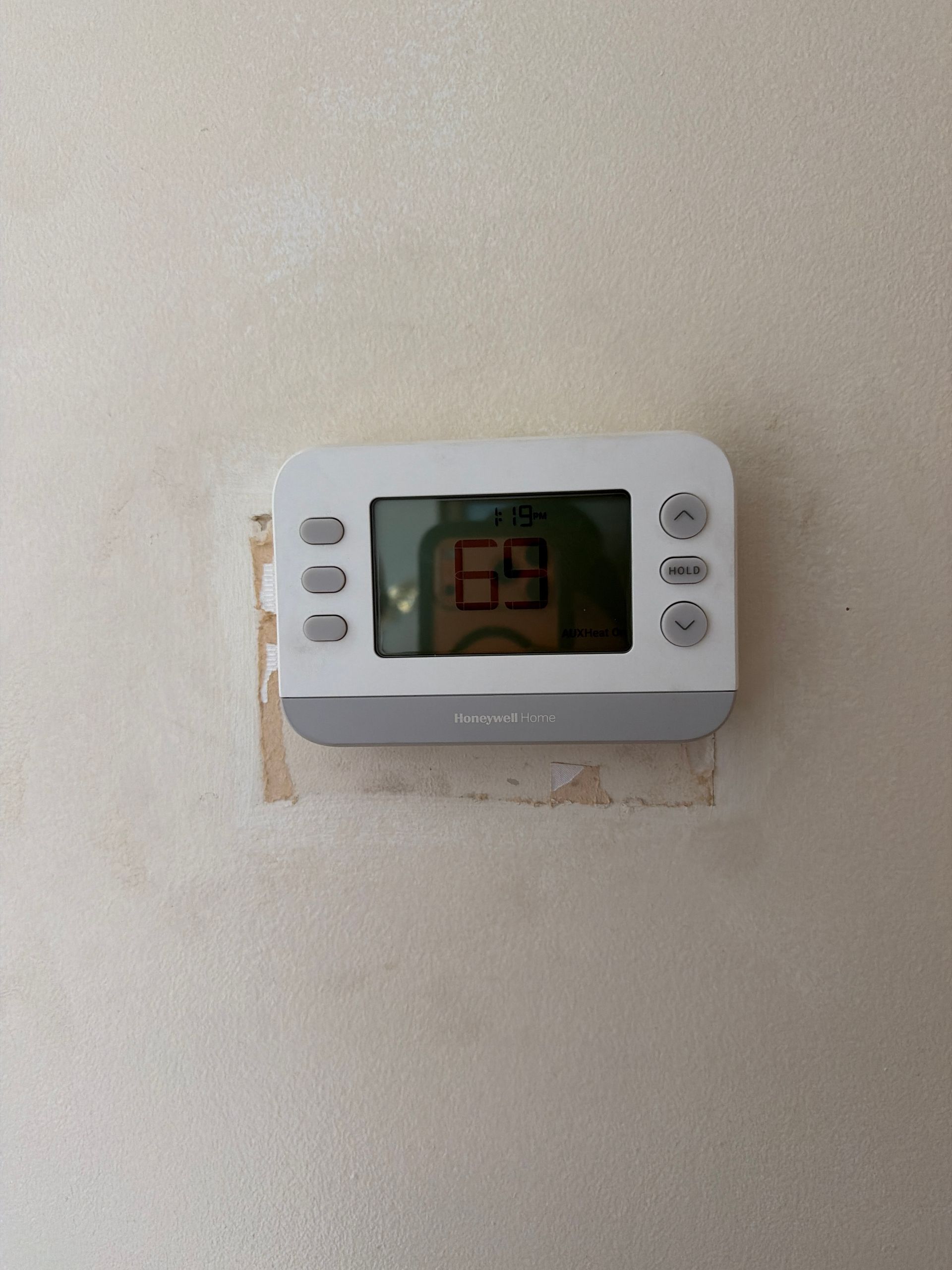
Make sure it's set to "cool," not "heat" or "fan." A fan flipped to "on" instead of "auto" blows nonstop between cooling cycles, so air feels warm even when nothing's broken. Drop the target a few degrees and listen for the unit.
Air filter
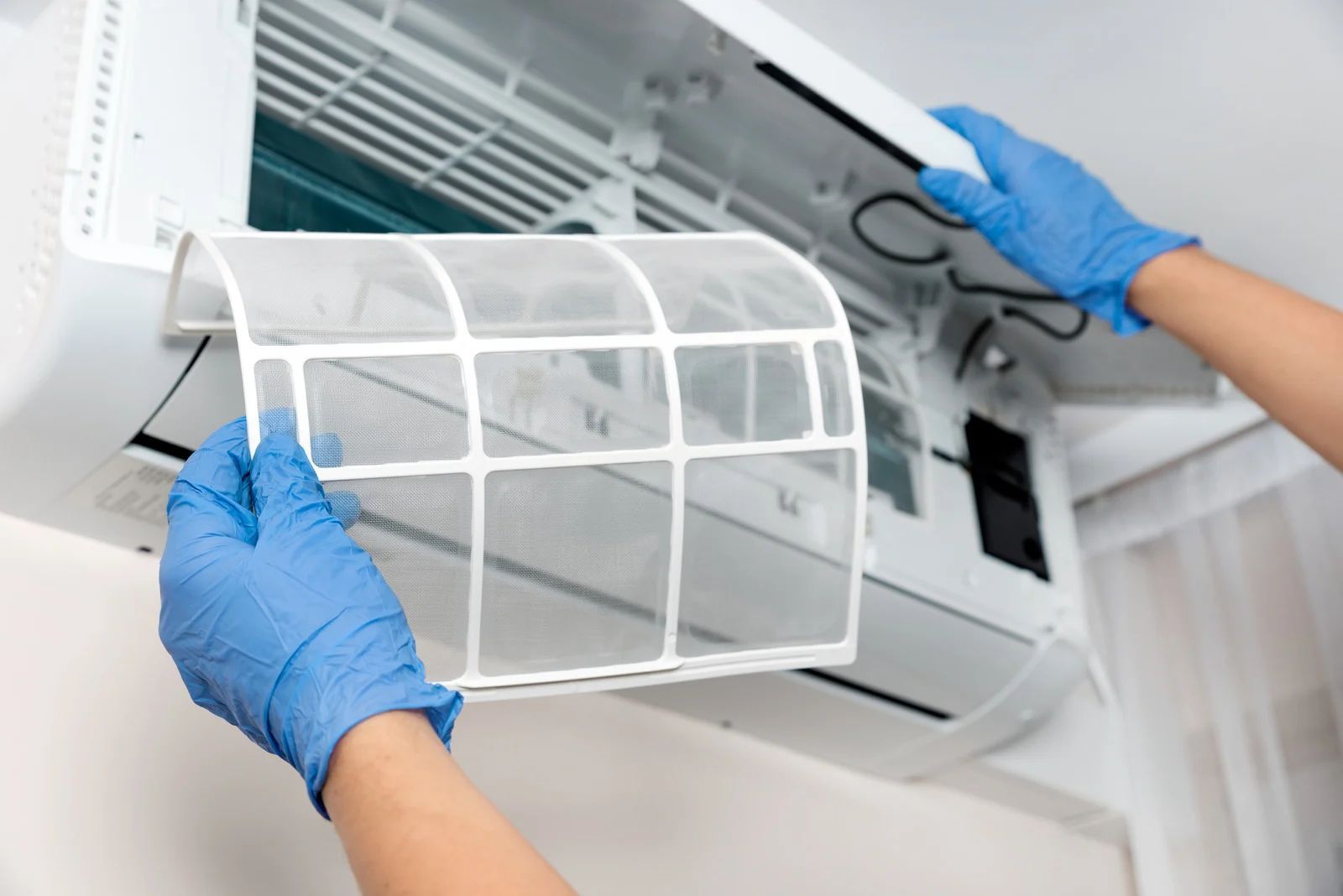
A filter packed with dust strangles the airflow your system needs, and it's a top reason an AC quits cooling. Slide it out and hold it to a light. Can't see through it? Replace it. In muggy summers, check it monthly.
Circuit breaker
Cooling systems usually run on two breakers, one indoor and one outdoor. When the outdoor unit sits dead while the indoor fan runs, you get airflow and zero cooling. Flip the breaker fully off, then on. Trips again? Call a pro.
Outdoor unit and airflow
Head outside and check the condenser. Grass clippings, leaves, and dirt cake the fins and smother the unit meant to shed your home's heat. Clear a couple of feet around it, and with power off, gently rinse the fins clean.
TIP: After you swap a filter or rinse the outdoor coil, give the system a solid 15 to 20 minutes before you decide whether it's cooling again. An AC needs runtime to drag a hot house back down, so instant results aren't the right yardstick.
TIP: Place a working carbon monoxide detector on every level of your home and within earshot of sleeping areas. Replace the batteries twice a year when you change your clocks, and test the unit monthly.
The Frozen Coil Trap
Here's one that trips people up. A frozen indoor coil can leave you sweating, which sounds backward until you see it happen. When airflow drops too low or refrigerant runs short, the indoor coil gets so cold that moisture on it turns to a block of ice. That ice then wraps the coil like a blanket, so it can't absorb heat anymore, and the vents blow warm.
How to spot it
Look for frost or ice on the copper lines or the indoor coil, water pooling near the indoor unit, or a system that cooled fine yesterday and died today. Sometimes all you get is a weak dribble of air because the ice has choked the coil off completely.
Why it keeps happening
A dirty filter, blocked vents, a grimy coil, or low refrigerant all nudge a coil toward freezing. A thermostat that won't shut the system down as overnight temperatures drop can freeze a coil by sunrise too. Fixing the airflow problem often solves it. A refrigerant shortage, though, will keep refreezing until a technician tracks down the real cause.
WARNING: Never chip or scrape ice off the coil, and don't keep running a frozen system. Chipping can puncture the coil and cause a refrigerant leak, and running a unit with a frozen coil beats up the compressor, the single priciest part to replace. Switch the system to "off," turn the fan to "on" to help it thaw, and let it defrost fully before you restart it.
Problems That Need a Licensed Technician
Say the thermostat, filter, breaker, and outdoor unit all check out and you're still fighting warm air. Now the cause usually sits inside the sealed part of the system, where homeowner fixes end and real diagnostics begin.
Low refrigerant or a leak
Refrigerant runs in a closed loop and never gets used up, so a low charge means a leak somewhere. Watch for long run times, weak cooling, a hiss near the coils, or oily film around fittings. This one's strictly a pro repair.
A failing capacitor or compressor
The capacitor gives the compressor and fan motors the jolt they need to start. When it fades, the outdoor fan may spin while the compressor never fires, so vents blow warm. A dying compressor throws similar symptoms. Both need a technician.
A struggling or undersized system
In older Baltimore rowhomes and tacked-on additions, an AC that's too small, or one that's lost its punch with age, can run flat-out through a heat wave and still fall behind. A technician can measure performance and recommend repair or replacement.
Duct and coil issues
Leaky ductwork baking in a hot attic can bleed off cooled air before it ever reaches your rooms. And a caked indoor coil can't pull heat even when the refrigerant charge is spot on. Both call for proper diagnostics, not guesswork.
How to Keep the Cool Air Coming
A few habits save you from most warm-air surprises. Change your filter on a set schedule, especially in the months your system runs daily. Keep the ground around the outdoor unit clear of grass, leaves, and shrubs so it can breathe. Leave supply and return vents open, not blocked by a couch or a bookshelf. And book a professional tune-up before cooling season, so a technician can check the refrigerant charge, wash the coils, test the capacitor, and catch the little faults that love to quit on the hottest afternoon of the year.
Staying ahead of this is a lot easier than scrambling for help when the house already reads 85 and climbing. A system that's clean, correctly charged, and airflow-healthy carries the reserve it needs to keep pace when a heat wave clamps down on the region.
Frequently Asked Questions
Why is my AC blowing warm air only during the hottest part of the day?
When outdoor temperatures peak, your system works hardest and any weakness shows. Low refrigerant, a dirty coil, or an aging compressor may cool fine in the morning yet lose ground by afternoon. A technician should measure.
Should I keep my AC running if it is blowing warm air?
No. Running a system that isn't cooling can turn a minor fault into major damage, especially with a frozen coil or low refrigerant. Both strain the compressor. Switch it off, run safe checks, call service.
Can a dirty air filter really cause warm air from the vents?
Yes, more often than most homeowners guess. A clogged filter chokes the airflow the indoor coil needs, dropping cooling and even freezing the coil solid. Swapping the filter is the easiest fix. Check it monthly.
Why is the outdoor unit running but the air inside is still warm?
A spinning fan only proves the fan motor works, not that the compressor moves heat. A failed capacitor lets the fan run while the compressor sits silent. Low refrigerant or a frozen coil also cause this.
Is warm air from my AC an emergency I should call about right away?
It depends. During a dangerous heat wave, especially with older adults, kids, or pets home, fast cooling matters for safety, so prompt service pays off. In milder weather, run checks and book next-day service.
How can I prevent my AC from blowing warm air next summer?
Steady upkeep prevents most warm-air failures. Change the filter on schedule, keep the outdoor unit clear of debris, and leave vents open. The bigger safeguard is a yearly professional tune-up before cooling season each spring.
Getting Cool Air Back Fast
Warm air in a heat wave is a pain, but it's rarely a mystery once you know where to look. Start with the checks you can safely do: the thermostat mode, the filter, the breaker, and a clear outdoor unit. If those come up clean, or you spot ice on the coil, hear a hiss, or watch the breaker trip again, the trouble sits inside the sealed system where trained hands and proper tools take over. Acting early, and fighting the urge to keep running a struggling unit, is what keeps a simple repair from snowballing into a compressor replacement.
When the safe checks don't bring the cold air back, let Alpha Heating & AC
restore a home that stays cool through the worst of a Baltimore summer. Our technicians pin down exactly why your AC is blowing warm air, from a failed capacitor or a frozen coil to low refrigerant or a struggling compressor, and repair the root cause instead of masking the symptom. With 70
years of combined experience serving residential and commercial customers across Perry Hall, Maryland, and full HVAC service that runs from central air to boilers to mini-splits, we get comfort back on the hottest days. Schedule your
AC repair service
today and have your system diagnosed before the next heat wave hits.