Furnace Blowing Cold Air? What to Check First
Quick Answer: A furnace blowing cold air is most often caused by a thermostat fan set to "On" instead of "Auto," a clogged air filter that triggered a safety shutdown, or an ignition problem that's stopping the burners from lighting at all. Start with the thermostat mode and fan setting, then check the filter. If the blower runs constantly but the burners never fire, or the furnace short-cycles every few minutes, the issue is likely electrical or ignition-related and needs a technician. Any smell of gas or soot near the unit means shutting the system off and calling for service immediately — never attempt that repair yourself.
You reach toward a vent expecting warmth and get room-temperature air instead. Sometimes it's a few seconds at the start of a cycle. Sometimes it's the whole cycle, and the house just won't climb past 66 no matter what the thermostat says. In a Baltimore County rowhome with a furnace crammed into a tight basement or crawlspace, that gap between "the furnace is running" and "the furnace is heating" usually traces back to one of a handful of parts. Some of them you can fix in five minutes. Others you shouldn't touch at all.
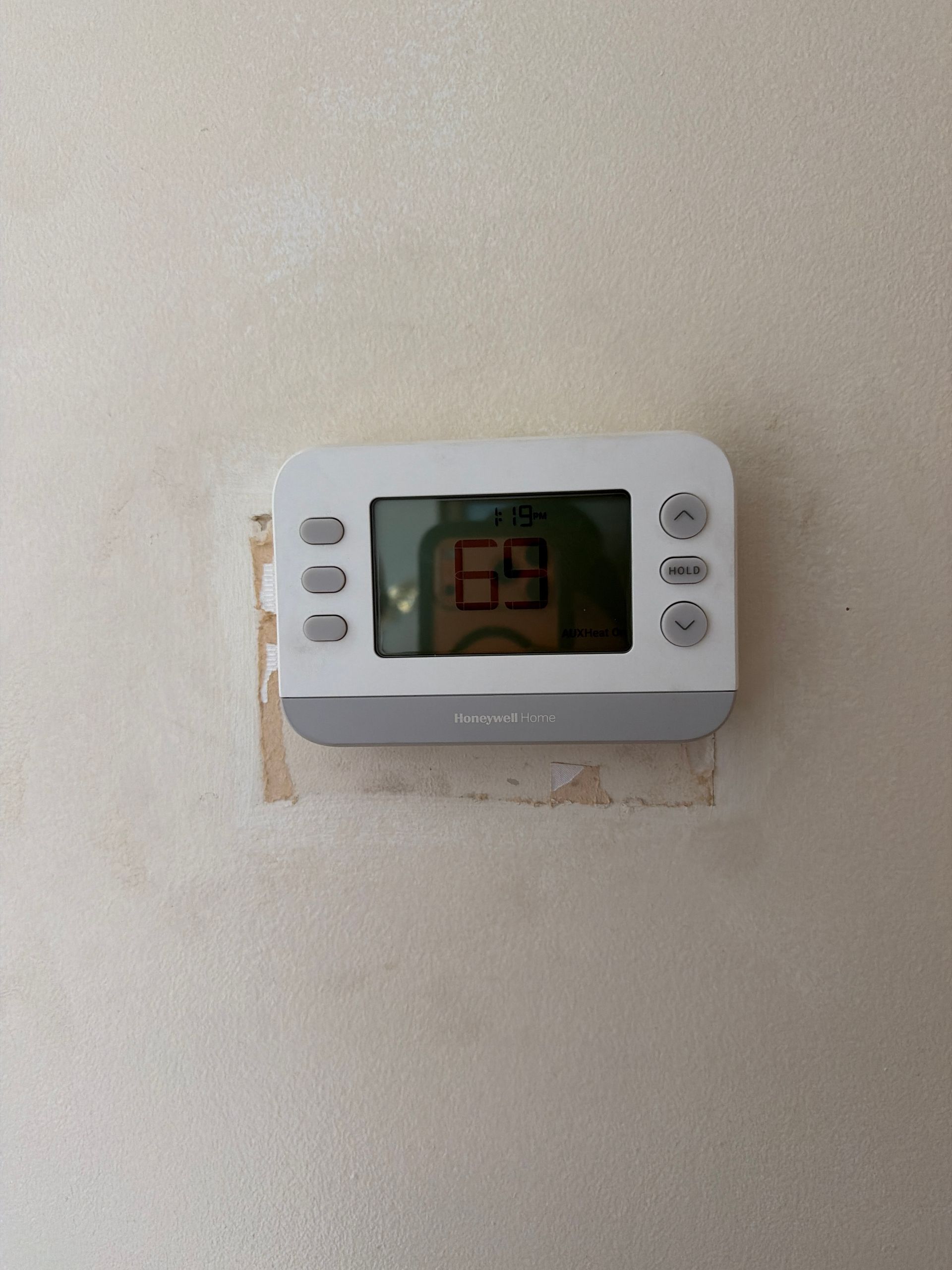
Start With the Thermostat
Rule out the simplest explanation before you assume something's broken.
Fan Mode
Set the fan to "On" and the blower runs nonstop, even between heating cycles, pushing air that's had time to cool right back down to room temperature. Switch it to "Auto" and the blower only moves air while the burners are actually producing heat.
System Mode
Double-check the thermostat is set to "Heat," not "Cool" or "Off." Obvious, sure — but a bumped switch or a programmable thermostat stuck on last month's schedule trips people up more often than you'd think, especially in a house where more than one person touches the controls.
Set Point
Confirm the target temperature is actually above the current room temperature. A thermostat that's reading correctly but set too low won't call for heat at all — it isn't broken, it's just not being asked to do anything.
Batteries And Wiring
A thermostat running low on batteries can start behaving oddly, sometimes calling for fan operation without triggering the heating cycle behind it. Swap the batteries. It takes two minutes and rules out a surprisingly common cause.
Check the Air Filter
A dirty filter is one of the most common reasons a furnace blows cold air — and one you can check yourself in about thirty seconds.
Why Airflow Restriction Causes Cold Air
As a filter clogs with dust, it chokes off the air moving across the heat exchanger. Furnaces have a built-in safety switch that shuts the burners off once internal temperatures climb too high, but the blower motor often keeps running to clear that heat out. What you get is a system that sounds like it's working — you hear the blower humming along — while no new heat is being made at all.
What To Do
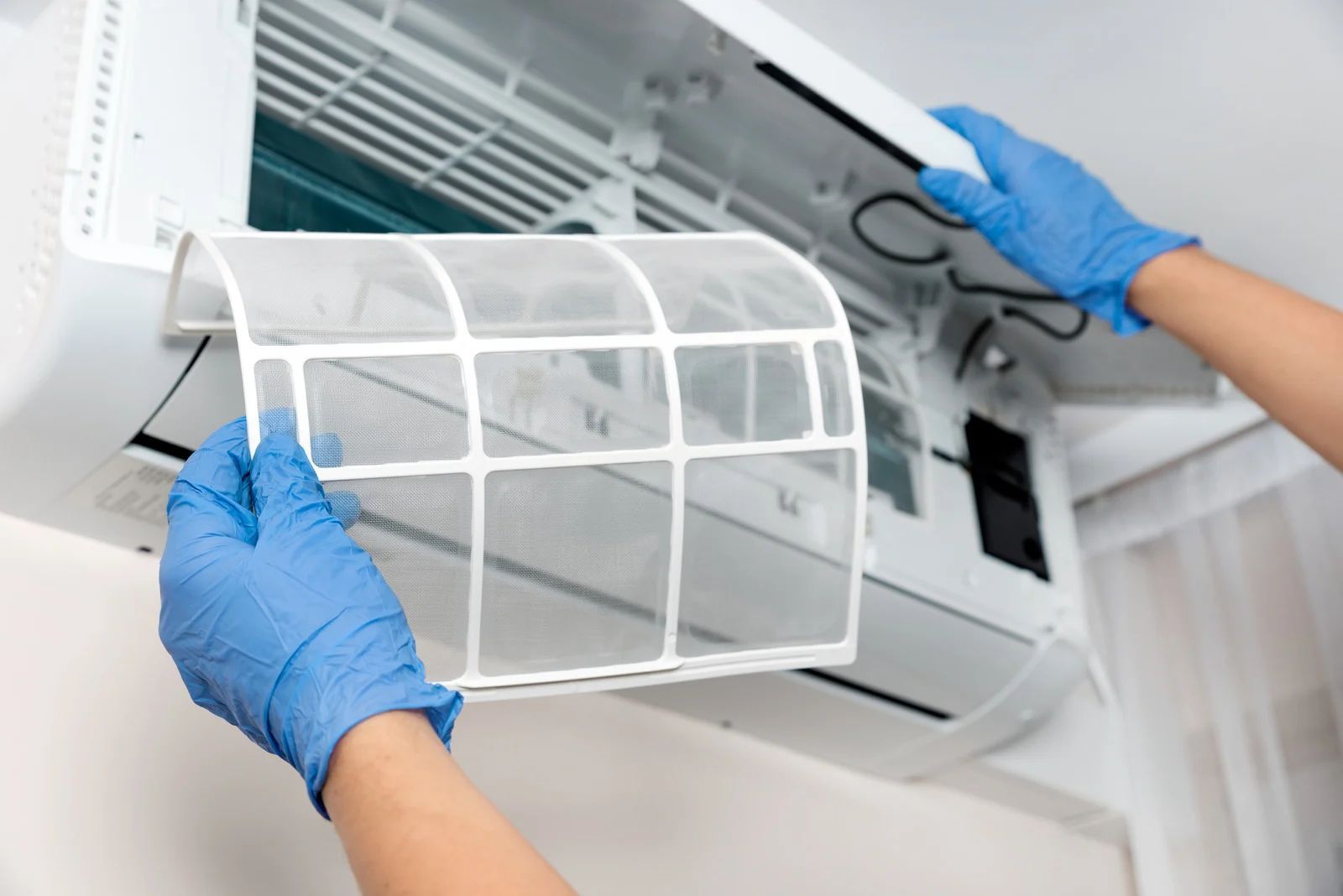
Pull the filter and hold it up to a light. Can't see light through it? Replace it. Most residential filters need swapping every one to three months depending on the home, pets, and filter type, and that window shrinks fast during a stretch of hard cold when the system is running longer and more often.
Reset After Replacing
Once the new filter's in, give the furnace 15 to 20 minutes before you judge the results. Some units need a manual reset first — thermostat off, furnace power switch flipped for 30 seconds, then back on — before the safety switch will let the burners fire again.
TIP: Write the filter size on your calendar or set a phone reminder. In an older Baltimore County home with tighter ductwork, or a system running near-constantly through a cold snap, filters can clog faster than the standard 90-day guideline suggests.
TIP: Place a working carbon monoxide detector on every level of your home and within earshot of sleeping areas. Replace the batteries twice a year when you change your clocks, and test the unit monthly.
Look at the Ignition System
If the blower's running but the air never warms up at all, not even for a second, the furnace probably isn't producing heat in the first place.
Pilot Light — Older Furnaces
Standing pilot lights can blow out or fail to hold a flame. A pilot that's out, or burning yellow and flickering instead of a steady blue, points to a problem with the gas-air mixture or a dirty pilot assembly.
Electronic Ignition — Newer Furnaces
Most furnaces installed in the last two decades use a hot surface igniter or intermittent pilot system instead of a standing flame. When the igniter cracks or weakens, it can glow without producing enough heat to actually light the burners, and the system locks out after a few failed tries.
Flame Sensor
This is a small metal rod near the burners that confirms combustion is actually happening. Dust or corrosion on it is one of the most frequent reasons a furnace fires briefly, then shuts back down — a pattern people usually describe as short-cycling. Because the sensor's whole job is safety, cutting gas flow the instant it can't confirm a flame, a dirty sensor tends to produce a furnace that keeps trying to run but never holds.
WARNING: Never attempt to relight a pilot light, clean a flame sensor, or open the burner compartment yourself. These are gas-fired components, and a furnace that isn't burning fuel cleanly can produce carbon monoxide — an odorless, colorless gas that causes headache, dizziness, nausea, and confusion at low exposure and can be fatal at higher concentrations. If you smell gas, see soot near the unit, or a working carbon monoxide detector starts alarming, shut the system off at the thermostat and the switch, get everyone out of the area, and call a licensed technician right away.
Rule Out Ductwork and Vents
Sometimes the furnace is doing its job fine, and the heat just doesn't survive the trip to the room.
Closed Or Blocked Vents
Furniture, a rug, a curtain pushed over a supply register — any of it can restrict airflow and throw off the pressure balance the whole system is built around. Walk the house and check that every supply vent is open and clear.
Duct Leaks
In homes with ductwork running through an unconditioned attic, crawlspace, or basement — common in older Baltimore County rowhomes converted from oil heat or radiators to forced air — leaks at the seams pull in cold air and mix it with the heated air before it ever reaches the vent. You'll notice this as air that feels warm near the furnace but noticeably cooler by the time it hits a second-floor bedroom.
Short-Cycling From Airflow Imbalance
Undersized or heavily restricted ducts can trigger the same overheating and safety-shutdown pattern a dirty filter causes, even with a brand-new filter in place, because the problem sits downstream of it.
When It's Time to Call a Professional
A couple of checks are safe and fast for any homeowner. Once you've confirmed the thermostat is set right and the filter's clean, everything left requires diagnostic equipment and gas-system training.
Call a technician if the air stays cold after checking the thermostat and filter, if the furnace short-cycles every few minutes, or if the pilot light won't stay lit or burns yellow instead of blue. The same goes for banging, rattling, or squealing from the unit; an energy bill that's climbed without an obvious reason; or a carbon monoxide detector near the furnace going off.
A technician working through these symptoms typically starts with a full diagnostic: testing the ignition sequence, checking the flame sensor's signal strength, inspecting the heat exchanger for cracks or corrosion, and confirming the blower motor is actually matched to the ductwork it's feeding. That system-wide view is the difference between a repair that holds and one that has you standing at the same vent, feeling cold air, three weeks from now.
Frequently Asked Questions
Why does my furnace blow cold air for a few seconds before it warms up?
A brief burst of cool air can be normal while the blower starts before the heat exchanger warms fully. If it lasts more than a minute or happens every cycle, have the system inspected.
Is it safe to replace my furnace filter myself?
Yes, replacing the filter is generally safe for homeowners. Turn the furnace off first, check the airflow arrow, and install a replacement matching the correct size and filter rating for your system.
What does it mean if my furnace keeps shutting off after a few minutes?
Repeated shutdowns can indicate short-cycling caused by restricted airflow, overheating, or a flame sensor problem. Replace a dirty filter first, but recurring shutdowns should be professionally diagnosed to prevent further system problems.
Can a dirty flame sensor really stop my furnace from producing heat?
Yes. A dirty or corroded flame sensor may fail to confirm combustion, causing the furnace to shut off the gas supply as a safety measure. Professional cleaning or inspection can restore reliable operation.
How often should a furnace get a professional tune-up?
A furnace should generally receive professional maintenance once a year, preferably before heating season. Regular service can identify ignition wear, airflow restrictions, sensor buildup, and other developing problems before they cause unexpected breakdowns.
Should I worry about carbon monoxide if my furnace is blowing cold air?
Cold air alone does not indicate carbon monoxide. However, gas odors, soot, unusual combustion, or an activated carbon monoxide detector require immediate attention. Leave the area and contact qualified professionals for assistance.
What To Know Before Your Furnace Needs Repair
A furnace blowing cold air can turn a comfortable home into a frustrating one, but the cause is not always a major repair. A thermostat set incorrectly, restricted airflow, or a clogged filter can interrupt normal heating and leave you feeling cool air from the vents. Checking these simple possibilities first can help you understand whether the issue is something you can safely correct or a sign of a deeper furnace problem.
For homeowners in Perry Hall, MD, winter heating systems need to perform reliably through long stretches of cold weather. Alpha Heating & AC
brings 70
years of experience to furnace diagnostics and heating system service, helping identify problems involving ignition, airflow, burners, sensors, and other critical components. Once the basic homeowner checks are complete, professional troubleshooting can pinpoint the underlying issue and help restore dependable heat without unnecessary guesswork.