Signs Your Home Has Poor Indoor Air Quality (And How It Affects Health)
You wipe down the shelves on Saturday and by Wednesday a thin gray film has settled back over everything. The air feels heavy when you walk in from outside, and someone in the house has been waking up congested for no clear reason. Maybe a faint musty smell hangs near the vents that no amount of cleaning seems to shake. These are not separate annoyances but the same problem in different rooms.
When your home collects dust faster than you can clean it, holds onto odors, and leaves people stuffy or tired, the air moving through your living space is carrying more than oxygen. Poor indoor air quality leaves a clear trail of signs, and once you know what to look for, you can trace the source before it affects anyone's health.
The Signs That Show Up First
The earliest clues to poor indoor air quality are physical and easy to overlook because they build slowly. Dust that returns within days of cleaning is the most reliable.
Watch for these patterns:
Persistent dust on shelves, screens, and registers within two or three days of cleaning. A musty or stale smell that lingers near vents or in closed rooms. Condensation collecting on windows during the colder months. Allergy or asthma symptoms that ease when you leave the house and return when you come back. Headaches, fatigue, or a stuffy feeling with no obvious cause. Air that feels either bone dry in winter or thick and clammy in summer.
A single sign can have an innocent explanation. Three or four together almost always point back to the air itself.
Why Indoor Air Goes Bad
Most indoor air problems trace back to one thing: the same air gets recirculated without ever being properly filtered or refreshed.
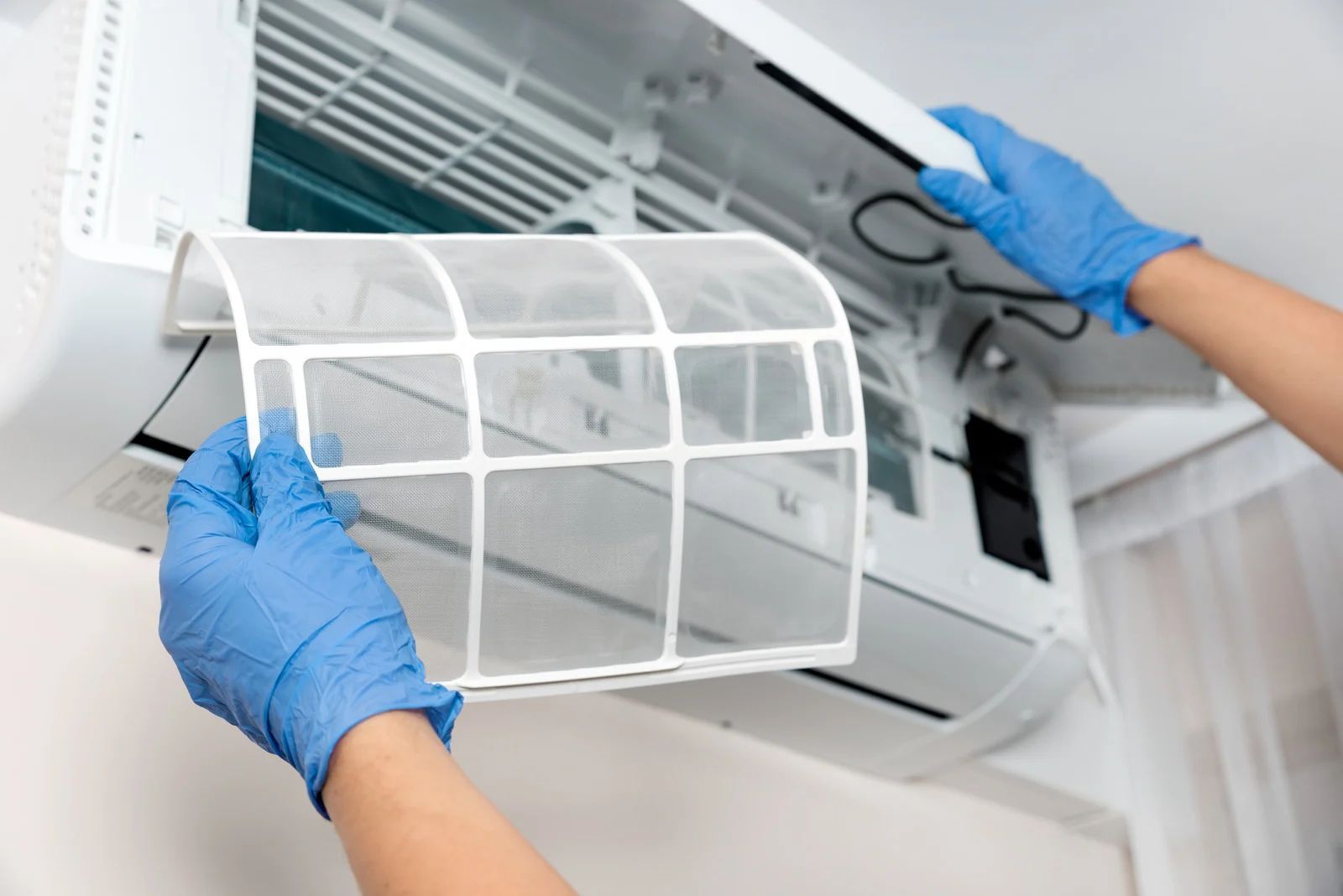
The filter is the usual culprit. A filter clogged past its service life stops catching fine particles and chokes airflow, which forces dust to bypass the system entirely. Check it every thirty days and replace standard filters every sixty to ninety.
Humidity is the second driver, and in the Perry Hall area it matters more than most homeowners expect. When indoor humidity climbs above sixty percent, dust mites thrive and mold spores find the moisture they need to grow inside ducts, drywall, and around windows. Summers in eastern Baltimore County stay humid for months, so a system that cannot pull moisture out becomes a breeding ground.
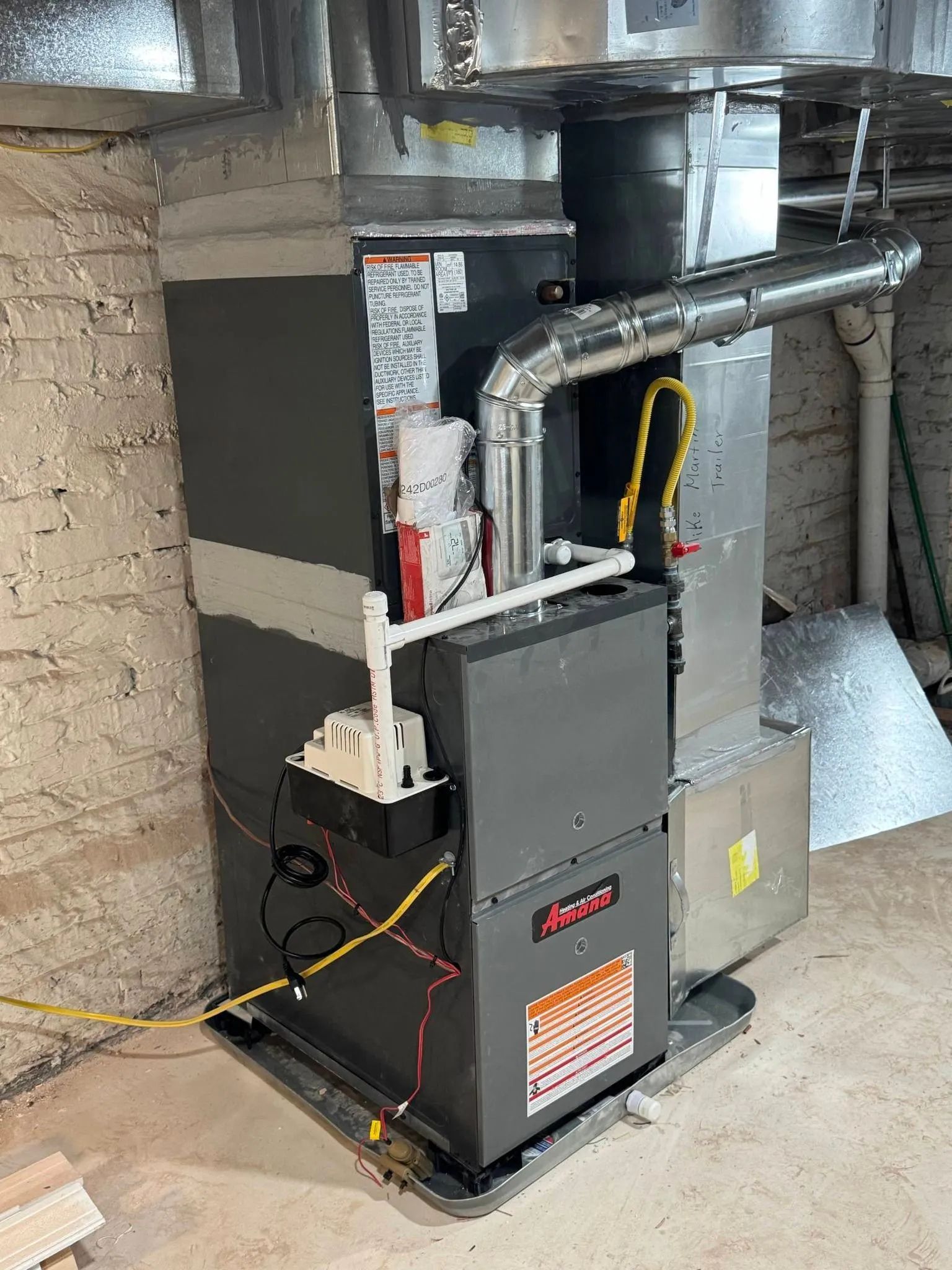
Dirty ductwork, leaky returns pulling air from crawlspaces and attics, and combustion appliances like gas furnaces round out the list. A cracked heat exchanger or a backdrafting flue can pull carbon monoxide into living space, the one cause that turns an air quality issue into an emergency.
How Poor Air Quality Affects Your Health
The health effects range from mildly annoying to genuinely serious, and they often get blamed on everything except the air. The most common are respiratory: scratchy throat, coughing, congestion, and worsening allergy or asthma symptoms. Fine particles and dust mite waste irritate airways every time you breathe, and since you spend most of your hours indoors, the exposure never lets up.
Beyond the lungs, stale air high in carbon dioxide and trapped odors leaves many people with headaches, trouble concentrating, and a foggy, tired feeling that lifts the moment they step outside. The most dangerous risk comes from carbon monoxide, which is colorless and odorless. Dizziness, nausea, and headaches that improve when you leave and return when you come back are a red flag that needs immediate attention.
What to Check First
Start with the simplest cause first. Pull out your air filter and hold it to the light. If you cannot see light through it, it is overdue and part of the problem.
Next, measure humidity with an inexpensive hygrometer, which tells you in minutes whether you are above the sixty percent threshold where mold and dust mites take over. Aim for thirty to fifty percent indoors. Then walk the house with your nose, since musty smells near specific vents point to moisture or growth inside the duct run feeding that room.
WARNING: If anyone feels dizzy, nauseated, or unusually drowsy, and those symptoms ease when they go outside, treat it as possible carbon monoxide exposure. Get everyone into fresh air, then call for emergency help and a professional inspection before going back inside. Carbon monoxide gives no smell and no warning of its own.
TIP: Place a working carbon monoxide detector on every level of your home and within earshot of sleeping areas. Replace the batteries twice a year when you change your clocks, and test the unit monthly.
How We Test Indoor Air Quality
On service calls we rarely rely on one reading. We inspect the filter, blower, and return ducts, then check static pressure, since a high reading usually points to a restriction like a filter that is too dense or a duct undersized for the home. We also measure humidity at several points and inspect the coil and drain pan for standing water and mold.
When gas appliances are present, we test for carbon monoxide and inspect the heat exchanger and flue. In older Perry Hall homes with original ductwork, we frequently find leaky returns drawing dusty, humid air straight out of the basement and pushing it through the house.
Keeping Your Air Clean Year Round
Clean indoor air is mostly a maintenance habit, not a one time fix. The most effective thing you can do is replace your filter on schedule, every thirty to ninety days depending on the type, and more often with pets or allergy sufferers in the home.
Every month, check the filter. Every quarter, vacuum your supply and return registers and confirm humidity is holding in the thirty to fifty percent range. Once a year, before cooling season, have the coil, drain line, and ductwork inspected and cleaned, since a summer of Maryland humidity leaves moisture and biological growth where you cannot see it. Sealing leaky ducts and adding a whole home dehumidifier makes the biggest long term difference in this climate.
Mistakes That Quietly Make It Worse
The most common mistake is masking odors instead of removing the source. Air fresheners cover a musty smell for an afternoon while the mold producing it keeps growing.
A close second is buying the thickest, highest rated filter on the shelf in the belief that denser is always better. For most residential blowers it is not. A filter your system cannot pull air through reduces airflow, leaves rooms stuffy, and strains the motor. The same goes for closing vents in unused rooms to save energy, which unbalances the system and pushes more dust and humidity into the rooms you actually use. Match airflow to what your equipment is rated to handle.
Frequently Asked Questions
How often should I replace my air filter to protect indoor air quality?
Check your filter every thirty days and replace standard one inch filters every sixty to ninety days. Homes with pets, smokers, or allergy sufferers need changes closer to every thirty days. Thicker media filters can last several months, but inspect them regularly because a clogged filter chokes airflow and lets fine dust bypass the system and recirculate into your rooms.
Can poor indoor air quality actually make me sick?
Yes. Ongoing exposure to dust, mold spores, and dust mite waste irritates airways and worsens allergies and asthma. Stale recirculated air also brings headaches, fatigue, and trouble concentrating that lift once you step outside into fresh air. The serious risk is carbon monoxide from faulty gas appliances. If symptoms ease outdoors and return indoors, leave and call for help immediately.
Why does indoor air quality get worse in Maryland summers?
Humid summers push indoor moisture above the sixty percent range where mold and dust mites thrive. Homes here trap that humidity for months, and systems that cannot pull moisture out let it settle into ducts, drywall, and carpets, degrading the air you breathe. Closed windows and constant cooling keep that damp air circulating, so the problem builds through the season.
Will an air purifier fix poor indoor air quality on its own?
A portable purifier helps in one room but does not address the source. If your filter, humidity, or ductwork is the real problem, a purifier only treats symptoms. Fix airflow and moisture first, then add filtration to handle what remains. A whole home unit tied into your system treats every room and works far better than one portable model alone.
How do I know if mold is growing inside my ducts?
A musty smell that gets stronger when the system runs is the clearest sign, especially near specific vents. You may also notice worse allergy symptoms indoors and visible spotting around registers. A professional inspection of the coil and duct interior confirms it. Higher humidity inside the home and a damp basement feeding the return often point to the same growth.
Your Local Choice for Healthier Indoor Air Quality
Read the signs as a system: dust, smell, humidity, and symptoms that follow you from room to room are usually the same problem viewed from different angles. In the Perry Hall area, long humid summers and tightly closed winter homes make poor indoor air quality more common and faster to take hold than in drier climates. At
Alpha Heating & AC, we have spent 70 years diagnosing and correcting
indoor air quality for homes across Perry Hall, Maryland, and the surrounding communities. When your air feels off, call us to test it, find the source, and fix it at the root.