How to Know It’s Time for a New HVAC System in Your Home
A properly functioning HVAC system is essential for maintaining comfort, air quality, and energy efficiency in your home. Heating and cooling units operate quietly in the background, providing warmth in the winter and cooling in the summer, often without drawing attention. Many homeowners only notice an issue when a system starts producing uneven temperatures, unusual noises, or higher utility bills. Understanding when a system has reached the end of its effective lifespan is crucial, not only to maintain comfort but also to prevent costly emergency repairs. Replacing an HVAC system proactively can improve energy efficiency, extend the lifespan of home appliances, and create a more comfortable and healthier indoor environment. Additionally, a well-functioning HVAC system contributes to better indoor air quality, reduces humidity-related problems, and ensures consistent performance throughout all seasons.
Recognizing the signs that indicate the need for a new HVAC system requires careful observation and informed judgment. Age, performance, repair frequency, and energy consumption are key factors to consider. By identifying these indicators early, homeowners can make decisions that save money, increase efficiency, and reduce stress. This guide explores the most common signs that it may be time to replace an HVAC system, offering practical insights and actionable advice for ensuring long-term home comfort and system reliability. It also highlights how timely replacement can prevent sudden system failures, optimize energy usage, and improve overall home value, making proactive planning an essential part of responsible home maintenance.
Understanding the Lifespan of an HVAC System
Typical Lifespan of Heating and Cooling Units
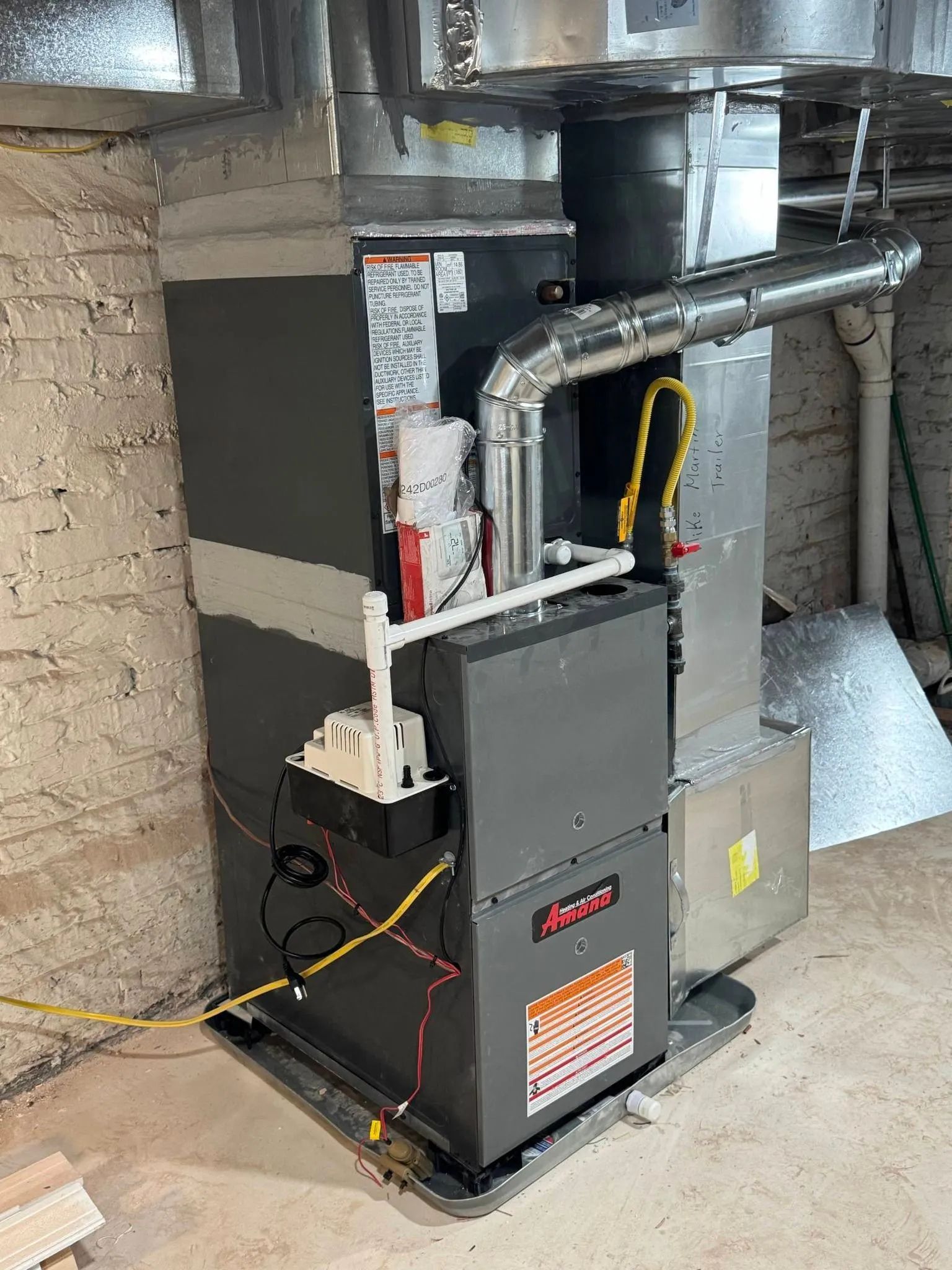
Most residential HVAC systems are designed to last between 10 to 20 years, depending on the type of equipment, maintenance history, and usage patterns. Furnaces generally last 15–20 years, while air conditioners and heat pumps average 10–15 years. As systems approach the upper end of their lifespan, they tend to operate less efficiently and require more frequent repairs. Older units may also struggle to maintain consistent temperatures or handle extreme weather conditions. Understanding the expected lifespan of each component helps homeowners set realistic replacement expectations and budget accordingly.
Factors Influencing Longevity
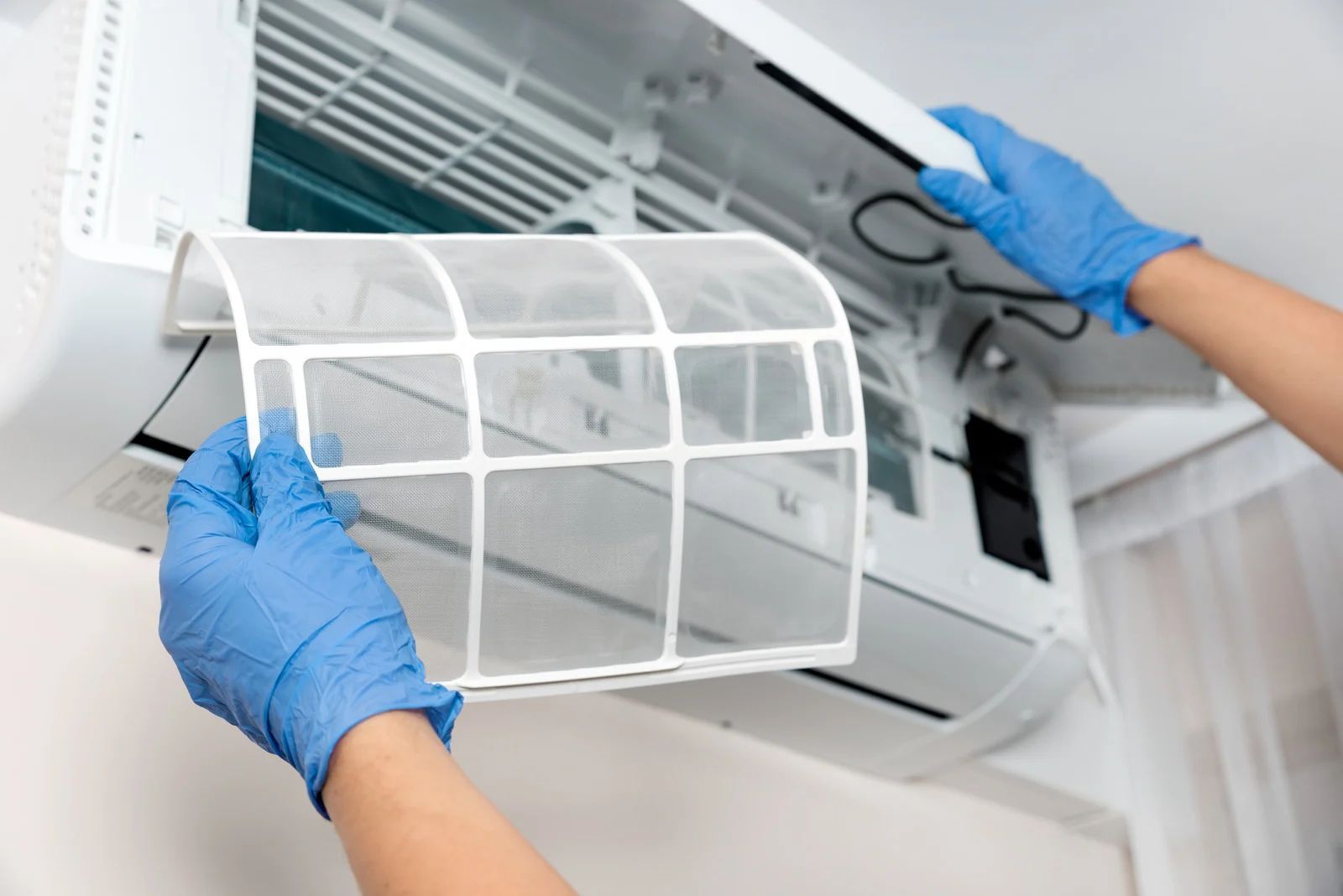
Several factors determine how long an HVAC system will remain effective. Routine maintenance, such as changing filters, cleaning coils, and checking refrigerant levels, can significantly extend the system’s lifespan. Environmental conditions, including humidity, dust, and exposure to corrosive elements, can also affect performance. Additionally, systems that are overworked due to inadequate sizing or poor insulation may experience accelerated wear and tear. Evaluating these factors is essential for identifying when replacement becomes more cost-effective than ongoing repairs.
Signs of Inefficiency and Poor Performance
Rising Energy Bills
An older HVAC system that has lost efficiency will often consume more electricity or gas to maintain the desired indoor temperature. A noticeable spike in utility bills without a corresponding increase in usage is a strong indicator that the system is struggling. Energy inefficiency not only increases costs but also contributes to environmental impact, as outdated systems consume more resources. Tracking energy bills over several months and comparing them to previous years can reveal subtle trends that suggest the need for replacement.
Uneven Heating or Cooling
When certain rooms are consistently hotter or colder than others, it may indicate that the HVAC system is no longer distributing air effectively. Blockages in ductwork, failing components, or general wear and tear can result in uneven airflow. While duct cleaning or minor repairs may address some issues, persistent temperature inconsistencies often signal that the system is unable to meet the home’s current demands.
Difficulty Maintaining Comfort
A struggling HVAC system may take longer to reach the desired temperature or fail to maintain it consistently. Air may feel less forceful, or the system may cycle on and off more frequently, creating fluctuations in comfort levels. Difficulty maintaining comfort is particularly noticeable during extreme weather conditions, as older units may lack the capacity to efficiently heat or cool the home.
Frequent Repairs and Component Failures
Increased Repair Frequency
Frequent breakdowns are one of the clearest signs that an HVAC system is approaching the end of its useful life. If repair costs begin to accumulate, replacement may become the more economical solution. Minor repairs, such as thermostat replacements or fan motor adjustments, are manageable, but repeated issues indicate systemic wear that cannot be fully corrected with patchwork fixes.
Expensive or Hard-to-Find Parts
As HVAC models age, replacement parts may become scarce or expensive, making repairs impractical. Manufacturers may discontinue components after a certain period, forcing homeowners to invest in custom or aftermarket solutions. When costs escalate or parts are difficult to obtain, investing in a new, efficient system is often the most practical option.
Warning Noises
Unusual sounds such as grinding, rattling, or hissing are signs of mechanical failure or system strain. While some noises may be minor, persistent or worsening sounds often indicate that key components, like compressors or motors, are failing. Ignoring these auditory warnings can result in catastrophic failure, leaving the home without heating or cooling during critical times.
Changes in Air Quality and Comfort
Energy Efficiency and Environmental Considerations
Modern HVAC Efficiency Standards
Newer HVAC systems are designed to meet higher energy efficiency standards, which can dramatically reduce energy consumption and operational costs. SEER (Seasonal Energy Efficiency Ratio) ratings for air conditioners and AFUE (Annual Fuel Utilization Efficiency) ratings for furnaces have improved significantly over the past decade. Upgrading to a modern system can lower monthly utility bills while enhancing environmental sustainability.
Rebates and Incentives
Investing in a new, energy-efficient HVAC system may qualify homeowners for rebates, tax credits, or utility incentives. These programs help offset the initial cost of replacement and make transitioning to modern systems more financially feasible. Evaluating available incentives can be a critical factor in deciding when to replace an outdated system.
Long-Term Savings
Although the upfront cost of a new HVAC system may seem significant, the long-term benefits often outweigh initial expenses. Reduced energy bills, lower repair costs, improved comfort, and increased home value contribute to overall savings. Upgrading to a system optimized for efficiency ensures consistent performance and protects the home from future energy-related challenges.
When Professional Evaluation Is Needed
Scheduling a System Inspection
Regular professional inspections provide critical insights into an HVAC system’s health. Technicians can evaluate equipment performance, identify potential issues, and recommend whether repairs or replacement are the most cost-effective solution. Scheduling an inspection every 1–2 years helps maintain efficiency and prolongs system life while offering peace of mind to homeowners.
Considering Replacement vs. Repair
Professional evaluations help determine whether repairing a failing component is more economical than complete replacement. A general guideline is the 50% rule: if repair costs exceed 50% of a new system’s value and the unit is over 10–15 years old, replacement is typically the better option. This approach balances short-term expenses with long-term benefits, ensuring informed decision-making.
Planning for Installation
Once replacement is deemed necessary, professional guidance ensures proper system sizing, optimal placement, and efficient installation. Proper installation maximizes performance, extends lifespan, and prevents common issues such as short cycling, uneven air distribution, or energy waste. Planning ahead reduces stress and ensures a seamless transition to a new HVAC system.
Experienced Specialists Protecting Your Home’s Indoor Climate
Recognizing the need for a new HVAC system is essential for maintaining home comfort, energy efficiency, and indoor air quality. Key indicators such as system age, rising energy bills, uneven temperatures, frequent repairs, poor air quality, and excessive noise provide clear signals that replacement may be necessary. Early detection and proactive decision-making help avoid costly emergency repairs, improve system performance, and create a healthier living environment. Homeowners can benefit significantly from consulting with professionals, conducting regular inspections, and considering energy-efficient upgrades to optimize both comfort and cost-effectiveness.
At
Alpha Heating & AC, we bring 70 years of experience as a trusted HVAC contractor in Perry Hall, Maryland. Our expertise ensures that every assessment, repair, or installation is handled with precision, professionalism, and attention to detail. We prioritize long-term comfort, energy efficiency, and reliable performance, guiding homeowners through informed decisions about HVAC replacement. With decades of proven experience, our goal is to deliver peace of mind, optimal system performance, and superior service that homeowners can rely on for years to come.