What to Expect During a Professional HVAC Installation (Cost, Timeline & Benefits)
A professional HVAC installation is a major home improvement decision that directly impacts comfort, energy efficiency, and long-term utility costs. Whether replacing an outdated system or installing HVAC in a new property, understanding the process helps homeowners make informed decisions and avoid unnecessary disruptions. Modern HVAC systems are designed for precision performance, but their effectiveness depends heavily on proper installation, system sizing, and technical calibration. It also influences how well the system adapts to seasonal changes and daily usage demands, ensuring consistent indoor comfort throughout the year.
With rising energy costs and increasing demand for efficient climate control, professional installation has become more important than ever. A poorly installed system can lead to uneven cooling, frequent breakdowns, and higher monthly bills, while a properly executed installation ensures consistent airflow, optimal temperature control, and long-term reliability. Homeowners today expect not just comfort, but also efficiency and sustainability from their HVAC systems. Proper installation also helps reduce environmental impact by improving overall energy utilization and reducing unnecessary power consumption.
This guide explains what happens during a professional HVAC installation, including cost considerations, expected timelines, and the key benefits of choosing expert service. It breaks down each stage of the process so property owners know exactly what to expect from initial assessment to final testing. By understanding these elements, homeowners can confidently prepare for installation and ensure the system delivers maximum performance and value over its lifespan. It also highlights practical insights that help avoid common installation mistakes and improve long-term system efficiency.
Understanding the HVAC Installation Process
System Evaluation and Home Assessment
A professional HVAC installation begins with a detailed home evaluation process. This step determines heating and cooling requirements based on square footage, insulation quality, window placement, and local climate conditions. Proper load calculation ensures the system is neither undersized nor oversized, both of which can significantly reduce efficiency and increase long-term operational costs for homeowners.
Technicians also carefully inspect existing ductwork, electrical capacity, and ventilation pathways throughout the property. Any structural limitations or inefficiencies are identified early to avoid delays during installation and future system issues. This stage ensures the selected HVAC system aligns perfectly with the home’s specific performance needs and energy expectations overall.
Equipment Selection and Planning
After evaluation, the next step involves selecting the most appropriate HVAC system carefully. Options may include split systems, packaged units, heat pumps, or ductless mini-splits, depending on requirements. Each system offers different advantages depending on energy goals, budget limitations, and overall home design efficiency preferences.
Energy efficiency ratings such as SEER and HSPF are carefully reviewed and compared to balance upfront installation costs with long-term operational savings. A structured installation plan is then created, outlining equipment placement, required materials, scheduling timelines, and a step-by-step execution strategy for smooth completion.
Pre-Installation Preparation
Before installation day, the workspace is thoroughly prepared for maximum safety and efficiency standards. This may involve clearing access points, preparing duct modifications, and scheduling necessary utility shutdowns if required. Proper preparation significantly reduces installation delays and ensures a smooth workflow during complete system setup.
HVAC Installation Timeline and Key Stages
Day 1: Removal and Setup
If replacing an old system, the first step involves careful and safe removal of existing equipment. This includes disconnecting electrical lines, refrigerant recovery procedures, and dismantling outdated components without causing property damage. The installation area is then cleaned thoroughly and prepared for the new system placement efficiently.
Day 2: System Installation
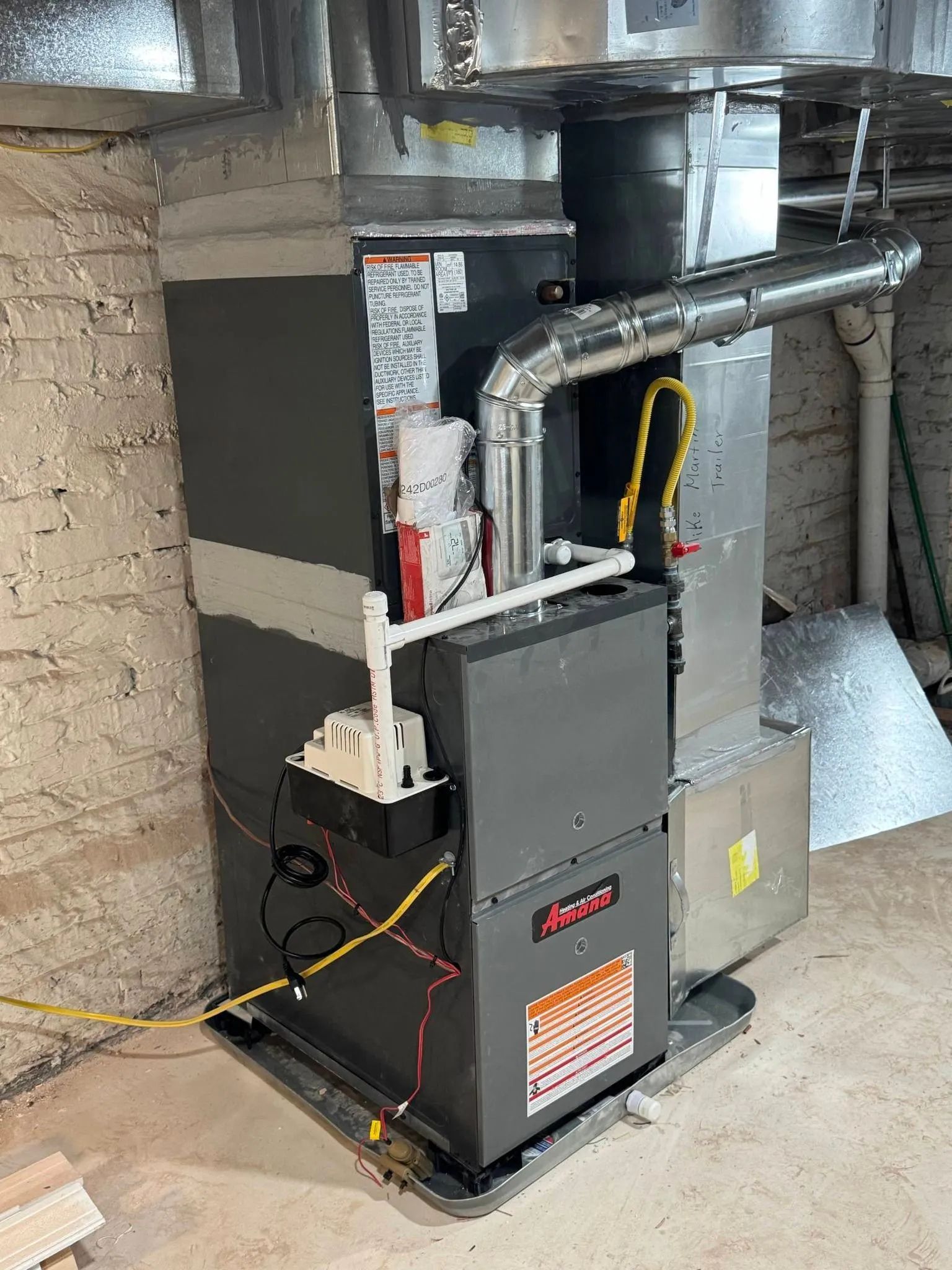
The main HVAC components, including indoor air handlers and outdoor condenser units, are installed during this critical stage. Technicians carefully connect refrigerant lines, electrical wiring, and drainage systems while ensuring all components strictly meet manufacturer specifications and safety standards for reliable system performance.
Day 3: Ductwork and Configuration
If duct modifications are required, they are completed at this stage with precision and care. Proper sealing and insulation of ducts are essential for preventing energy loss and improving system efficiency. Airflow balance is adjusted carefully to ensure consistent temperature distribution across all rooms evenly.
Final Testing and Calibration
Once installation is complete, the system undergoes rigorous performance and safety testing procedures. This includes pressure checks, thermostat calibration, airflow measurement, and detailed safety inspections. The system is then run through multiple operational cycles to confirm efficiency, reliability, and consistent performance before final handover completion.
HVAC Installation Cost Factors
Equipment Type and Efficiency Rating
Cost varies significantly depending on the type of HVAC system selected for installation purposes. High-efficiency systems generally have higher upfront costs but provide substantial long-term savings through reduced energy consumption and improved operational performance. Systems with advanced filtration and smart control features may also increase initial pricing levels.
Home Size and Structural Complexity
Larger homes require more powerful HVAC systems, additional ductwork installations, and longer overall installation timeframes. Multi-level properties or homes with outdated infrastructure may require structural modifications, which can significantly increase labor requirements and overall project expenses for homeowners planning upgrades.
Ductwork Condition and Upgrades
Existing ductwork plays a major role in determining total HVAC installation cost and efficiency outcomes. If ducts are damaged, leaking, or improperly sized, replacement or sealing work becomes necessary. This ensures maximum system efficiency but naturally adds to overall project expenses and installation complexity.
Labor and Regional Pricing
Installation labor costs depend heavily on system complexity, project size, and regional market pricing variations. Professional installation includes technical expertise, compliance with strict safety standards, and full system optimization. All of these factors contribute significantly to the overall HVAC installation cost structure and final investment value.
Benefits of Professional HVAC Installation
Common Challenges and Best Practices
Installation Challenges
One of the most common challenges during HVAC installation is improper system sizing for residential properties. An oversized or undersized system can lead to inefficiency, increased operational costs, and inconsistent performance. Poor ductwork design and incorrect refrigerant handling further contribute to system reliability issues and reduced efficiency.
Best Practices for Success
A successful HVAC installation depends on accurate load calculations, high-quality equipment selection, and strict adherence to manufacturer installation guidelines. Proper insulation, duct sealing, and airflow balancing are essential steps that should never be overlooked during any installation process to ensure optimal system performance.
Scheduling installation during moderate weather conditions can also help minimize disruptions and operational challenges. Regular communication between homeowners and technicians ensures expectations are clearly understood throughout the entire process, leading to smoother execution and improved satisfaction with the final HVAC system performance results.
Trusted Expert HVAC Installation Delivering Lasting Comfort
A professional HVAC installation is a structured process that directly impacts comfort, efficiency, and long-term system performance. From initial evaluation to final testing, each stage plays a critical role in ensuring the system operates reliably and efficiently. Understanding cost factors, installation timelines, and expected benefits helps homeowners make informed decisions and avoid unnecessary complications. It also ensures better planning, smoother execution, and fewer unexpected delays during the entire installation process.
When executed correctly, HVAC installation delivers consistent indoor comfort, improved air quality, and reduced energy consumption. It also minimizes maintenance issues and extends system lifespan, making it a valuable long-term investment for any property. Additionally, proper installation enhances system responsiveness and ensures balanced airflow across all rooms. This creates a healthier and more stable indoor environment throughout changing weather conditions.
A trusted name in HVAC installation, Alpha Heating & AC, serving Perry Hall, Maryland, brings 70
years of hands-on expertise in delivering reliable climate control solutions. With a strong commitment to precision, efficiency, and customer-focused service, we ensure every installation is completed with the highest technical standards. Our experience in designing and installing advanced HVAC systems allows us to deliver dependable comfort solutions tailored to each home’s unique requirements. Through consistent quality and technical excellence, we continue to support homeowners in achieving long-lasting indoor comfort and energy efficiency. Our approach focuses on delivering dependable results that enhance comfort, performance, and long-term value for every installation project we complete.