Why Seasonal HVAC Maintenance Is Essential for Energy Efficiency?
Seasonal HVAC maintenance plays a critical role in ensuring long-term energy efficiency, system reliability, and indoor comfort. As heating and cooling systems operate throughout changing weather conditions, performance naturally declines due to dust accumulation, mechanical wear, and fluctuating operational loads. Without scheduled maintenance, energy consumption rises, utility costs increase, and system lifespan reduces significantly. In today’s energy-conscious environment, maintaining HVAC efficiency is not just a matter of comfort but also of financial and environmental responsibility. Regular inspections also help maintain safe system operation by identifying electrical or mechanical faults early. This proactive approach reduces emergency repair needs and improves overall system dependability. Consistent servicing ensures HVAC units continue to perform efficiently even under heavy seasonal demand.
Modern HVAC systems are designed for high efficiency, but that efficiency can only be sustained through consistent seasonal servicing. As temperatures shift between extreme heat and cold, systems are forced to work harder, often revealing hidden issues such as clogged filters, refrigerant imbalance, or airflow restrictions. Addressing these issues before peak seasons ensures stable performance and prevents unnecessary energy waste. Homeowners and businesses alike benefit from reduced breakdown risks, improved air quality, and optimized system output. Routine maintenance also enhances thermostat accuracy, ensuring precise temperature control throughout indoor spaces. It further supports balanced humidity levels, contributing to improved comfort and healthier living conditions. Over time, this helps maintain system stability and reduces long-term operational strain.
Understanding the importance of seasonal HVAC maintenance allows property owners to make informed decisions that directly impact energy savings and operational efficiency. With proper upkeep, HVAC systems perform at their intended capacity, delivering consistent comfort while minimizing environmental impact and long-term repair costs. Preventive care also increases equipment reliability, reducing unexpected disruptions during peak weather conditions. Additionally, well-maintained systems contribute to sustainable energy use by lowering overall power consumption. This ensures both economic benefits and environmental responsibility are achieved together.
1. Seasonal HVAC Performance Optimization
How Seasonal Changes Impact System Efficiency
HVAC systems respond directly to seasonal temperature changes, affecting overall efficiency throughout the year. During summer, cooling systems operate under continuous load, while winter increases demand on heating components. This fluctuation increases energy consumption if systems are not properly calibrated. Dust buildup, clogged filters, and worn components further reduce overall performance and efficiency.
Importance of Pre-Season Adjustments
Pre-season HVAC maintenance ensures systems are fully prepared before peak seasonal demand begins. Tasks such as thermostat calibration, refrigerant level checks, and airflow balancing restore optimal performance. Completing these adjustments in advance helps systems run smoothly, reduces energy spikes, and prevents performance drops during extreme weather conditions, improving overall reliability and efficiency.
System Calibration for Peak Operational Balance
Proper HVAC system calibration ensures heating and cooling cycles operate in harmony with environmental conditions. This balance reduces unnecessary strain on equipment and supports stable energy consumption throughout seasonal transitions. Accurate calibration improves efficiency, maintains consistent indoor comfort, and prevents system overloads, ensuring long-term reliability and optimal performance under varying weather conditions.
2. Energy Efficiency and Cost Reduction
Reducing Energy Waste Through Maintenance
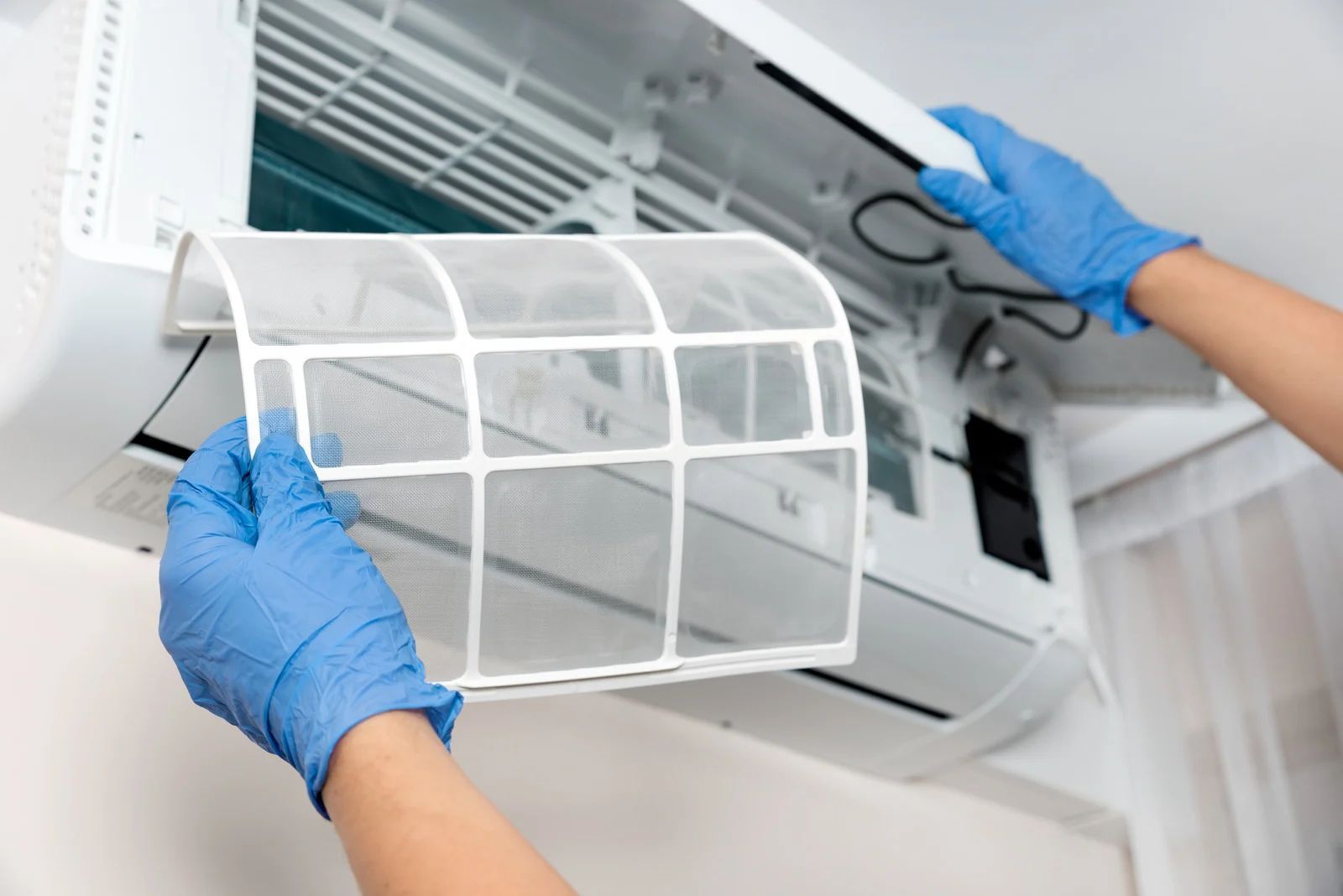
One of the primary benefits of seasonal HVAC maintenance is improved energy efficiency. Dirty coils, clogged filters, and inefficient motors force systems to run longer cycles, increasing electricity consumption significantly. Regular cleaning and inspection reduce unnecessary energy waste, improve airflow, and ensure equipment operates at peak performance with reduced operational strain over time.
Lower Utility Bills and Long-Term Savings
Energy-efficient HVAC systems directly translate into lower monthly utility bills for homeowners and businesses. When components are properly maintained, systems require less power to achieve the same heating and cooling output. Over time, this leads to significant financial savings while also preventing costly emergency repairs and extending system lifespan and reliability.
Optimized System Output for Maximum Efficiency
A well-tuned HVAC system delivers maximum heating and cooling output while using minimal energy input. This ensures consistent indoor comfort without unnecessary energy waste or system overload. Proper maintenance improves efficiency, stabilizes performance, and reduces energy costs, allowing the system to operate at peak capacity under varying environmental conditions throughout seasonal changes.
3. System Longevity and Equipment Protection
Reducing Wear and Tear on Components
Every HVAC system experiences mechanical stress during operation, which gradually affects key components such as compressors, fans, and motors. Without seasonal maintenance, this stress accumulates and accelerates wear and tear. Routine inspections ensure moving parts are properly lubricated, cleaned, and operating within safe limits, reducing the risk of premature failure and improving reliability.
Extending Equipment Lifespan
Consistent HVAC maintenance directly extends the operational lifespan of equipment by preventing small issues from developing into major failures. Early detection and repair of faults reduces long-term damage and improves system durability. This ensures reliable performance over many years, minimizing the need for early replacement and supporting long-term cost efficiency.
Preventing Mechanical Failure Through Routine Servicing
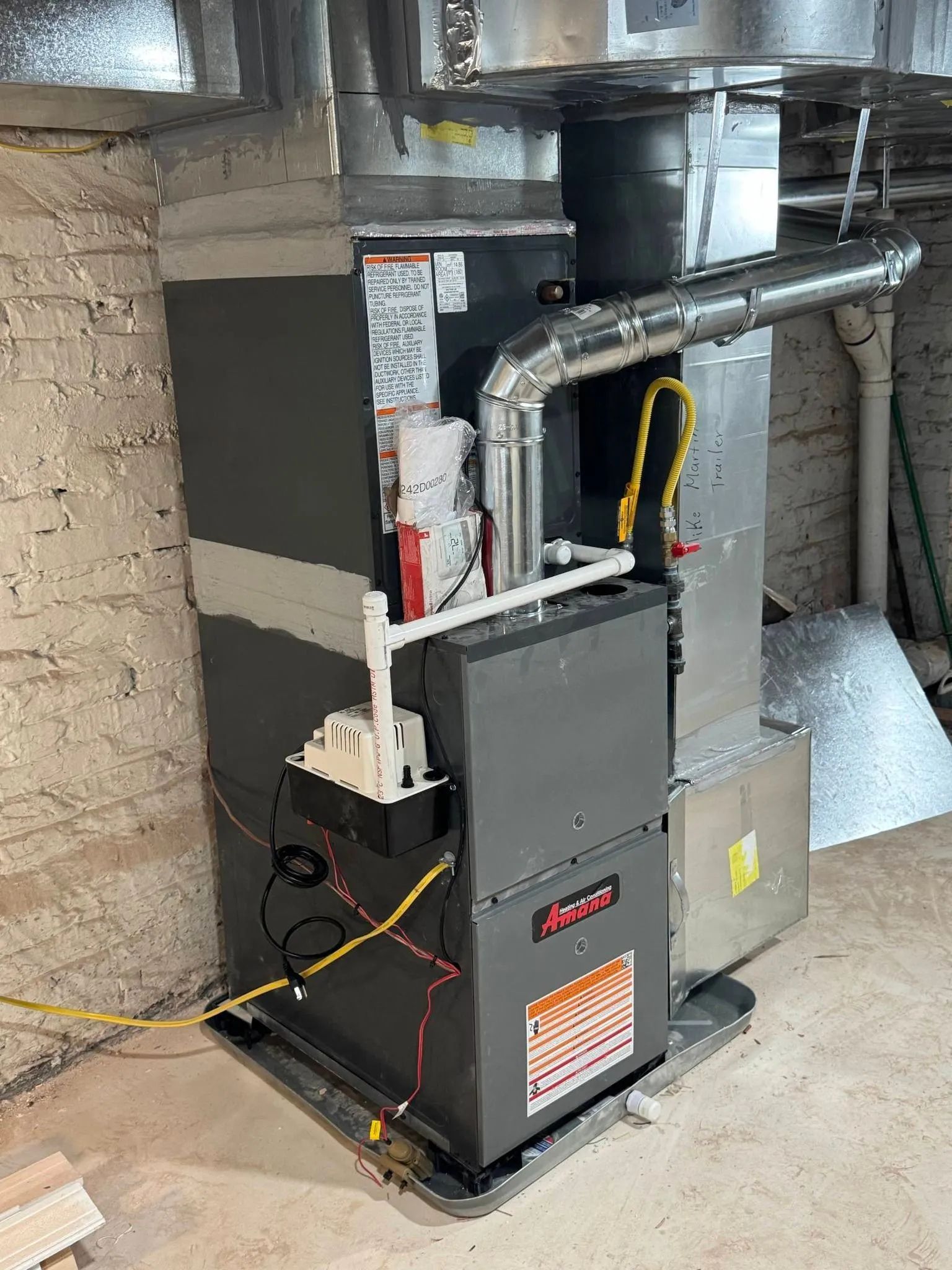
Routine HVAC servicing helps prevent unexpected mechanical failures by ensuring all components operate within manufacturer-recommended performance standards. Technicians inspect electrical connections, refrigerant levels, and moving parts to detect early warning signs. This proactive approach reduces system downtime, improves operational stability, and ensures consistent performance even under high-demand conditions.
4. Indoor Air Quality and Health Benefits
Impact of HVAC Systems on Air Quality
HVAC systems continuously circulate indoor air throughout residential and commercial spaces, meaning any contamination within the system directly affects air quality. Dirty filters, dust accumulation, and mold growth can reduce air cleanliness and create health risks such as allergies and respiratory issues. Proper maintenance ensures cleaner airflow and safer indoor environments.
Seasonal Cleaning for Healthier Environments
Seasonal HVAC maintenance includes filter replacement, duct inspection, and system cleaning, all of which contribute to improved indoor air quality. Enhanced airflow and reduced airborne contaminants create a healthier environment for occupants. This is especially important in homes, offices, and commercial spaces where air quality directly impacts productivity, comfort, and well-being.
Reducing Airborne Contaminants Through Maintenance
Proper HVAC maintenance significantly reduces airborne contaminants by ensuring filters and ducts effectively capture dust, allergens, and harmful particles before they circulate indoors. Regular servicing improves air filtration efficiency and prevents pollutant buildup within the system, resulting in cleaner indoor environments and improved respiratory health.
5. Preventive Maintenance and System Reliability
Identifying Issues Before They Escalate
Preventive HVAC maintenance focuses on identifying potential system issues before they escalate into major failures. Technicians inspect electrical connections, refrigerant levels, and mechanical components to detect early warning signs. This proactive approach reduces the likelihood of unexpected breakdowns during peak usage periods and ensures system reliability and stability.
Ensuring Consistent System Performance
A reliable HVAC system delivers consistent heating and cooling performance without fluctuations in output or comfort levels. Seasonal servicing ensures all components function efficiently together, reducing strain and preventing sudden interruptions. This consistency improves indoor comfort, enhances energy efficiency, and ensures dependable operation across all seasonal demands.
Strengthening Operational Stability Through Routine Checks
Routine HVAC inspections strengthen overall system stability by ensuring that minor inefficiencies are identified and corrected before they affect full-scale performance. Regular checks maintain balanced airflow, stable temperature control, and reliable operation. This proactive maintenance approach reduces risks and ensures long-term operational reliability under varying environmental conditions.
6. Environmental Impact and Sustainable Operation
Reducing Carbon Footprint Through Efficiency
Energy-efficient HVAC systems consume less power, directly reducing overall carbon emissions from buildings. Seasonal maintenance helps systems operate at peak efficiency, minimizing wasted energy. Proper airflow, calibration, and clean components all contribute to lower environmental impact, supporting sustainability efforts and promoting responsible energy use.
Supporting Sustainable Energy Practices
Well-maintained HVAC systems align with sustainability goals by minimizing energy waste and maximizing efficiency. Proper refrigerant handling, optimized airflow, and consistent system performance contribute to environmentally responsible operation. These practices reduce environmental impact and support long-term sustainable energy usage in residential and commercial environments.
Promoting Eco-Friendly Energy Consumption Habits
Efficient HVAC operation encourages responsible energy consumption by reducing unnecessary power usage while maintaining indoor comfort. Regular maintenance ensures systems function optimally, lowering environmental strain and supporting eco-friendly practices. This contributes to reduced emissions, improved sustainability, and better resource management across all environments.
Trusted Seasonal HVAC Efficiency Experts Delivering Reliable Performance
Seasonal HVAC maintenance is essential for maximizing energy efficiency, reducing operational costs, and ensuring system reliability throughout the year. Regular servicing enhances performance, extends equipment lifespan, and improves indoor air quality while supporting environmentally responsible energy use. Consistent upkeep prevents unexpected breakdowns and ensures stable comfort during extreme seasonal changes. It also helps identify minor issues before they develop into costly repairs, ensuring smoother system operation. Proper maintenance improves airflow balance and keeps temperature control consistent across all indoor spaces. Over time, it contributes to better energy management and reduced utility expenses for property owners. Scheduled inspections further ensure compliance with manufacturer standards and long-term system stability.
At Alpha Heating & AC
in Perry Hall, Maryland, 70
years of HVAC expertise drive a commitment to precision, reliability, and energy-efficient solutions. With a strong foundation built on trust and technical excellence, every system is maintained with attention to detail and long-term performance in mind. Our approach ensures optimal efficiency, reduced energy waste, and dependable comfort for every property served. We focus on delivering customized maintenance solutions tailored to each system’s specific needs and usage patterns. Our technicians use advanced diagnostic methods to ensure accurate system evaluation and performance optimization. Continuous training and industry knowledge allow us to stay updated with the latest HVAC technologies. This dedication ensures long-lasting system health, improved efficiency, and consistent indoor comfort for our clients.